We are engineering a
post-emission economy.
We are engineering a
post-emission economy.
Born from a mission to upcycle 1 gigaton of CO2 by 2050, Phase Biolabs is turning the world’s most abundant waste gas into its most sustainable resource.
We are engineering a post-emission economy.
Born from a mission to upcycle 1 gigaton of CO2 by 2050, Phase Biolabs is turning the world’s most abundant waste gas into its most sustainable resource.

>60% of aluminium is recycled.
>50% of cardboard is recycled.
>40% of glass is recycled.
>30% of steel is recycled.
<0.001% of CO2 is recycled, why is that?
Its too expensive. Phase fixes this - our technology makes carbon recycling profitable.
>60% of aluminium is recycled.
>50% of cardboard is recycled.
>40% of glass is recycled.
>30% of steel is recycled.
<0.001% of CO2 is recycled, why is that?
Its too expensive. Phase fixes this - our technology makes carbon recycling profitable.
Phase is changing how things are made. We are creating a world where CO2 is used as an input. The future of manufacturing is CO2 based.
We’re doing this by recycling CO2 into chemicals and fuels, starting with ethanol.
>60% of aluminium is recycled.
>50% of cardboard is recycled.
>40% of glass is recycled.
>30% of steel is recycled.
<0.001% of CO2 is recycled, why is that?
Its too expensive. Phase fixes this - our technology makes carbon recycling profitable.
Phase is changing how things are made. We are creating a world where CO2 is used as an input. The future of manufacturing is CO2 based.
We’re doing this by recycling CO2 into chemicals and fuels, starting with ethanol.
Why ethanol?
The global ethanol market is estimated to be $70B per year and growing. Ethanol is a useful molecule with large and diverse use cases with new and emerging applications.
Chemical manufacturing
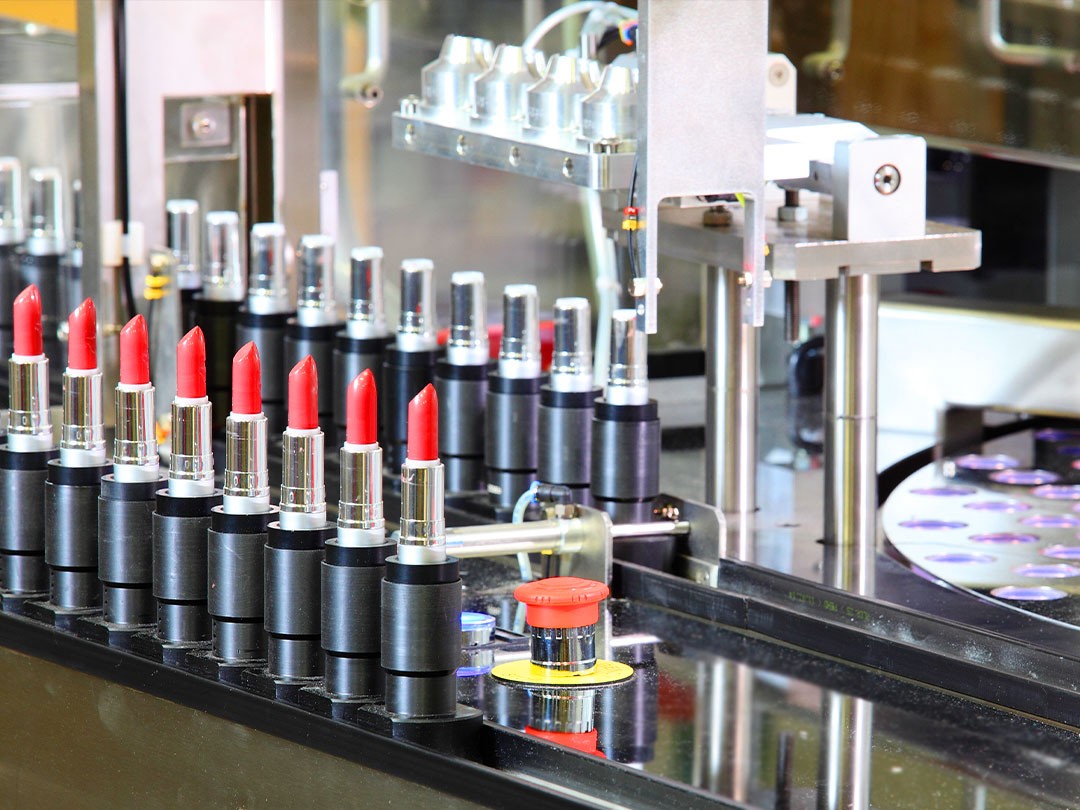
In the chemical sector, ethanol is used in a variety of products including cosmetics, pharmaceuticals, inks and print packaging.

Food and beverage industry
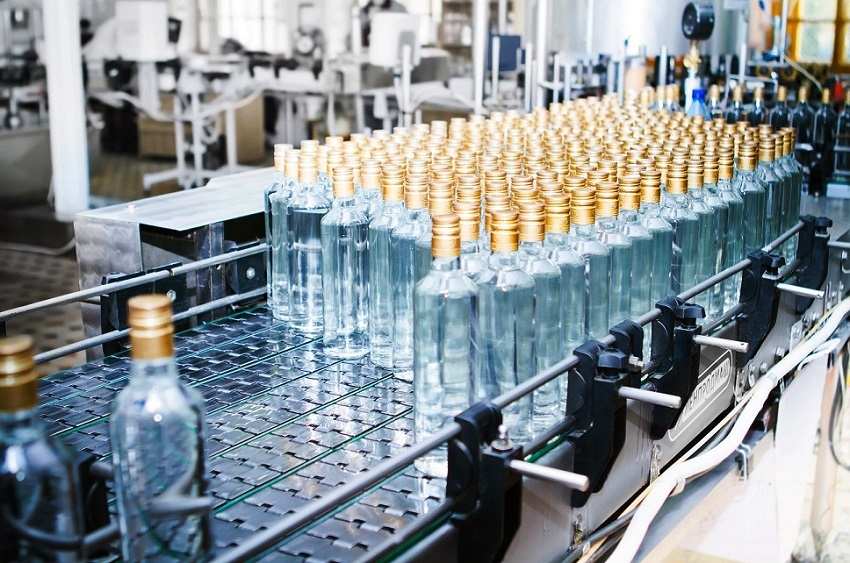
Ethanol is the key ingredient in alcoholic beverages.
Road transportation fuel
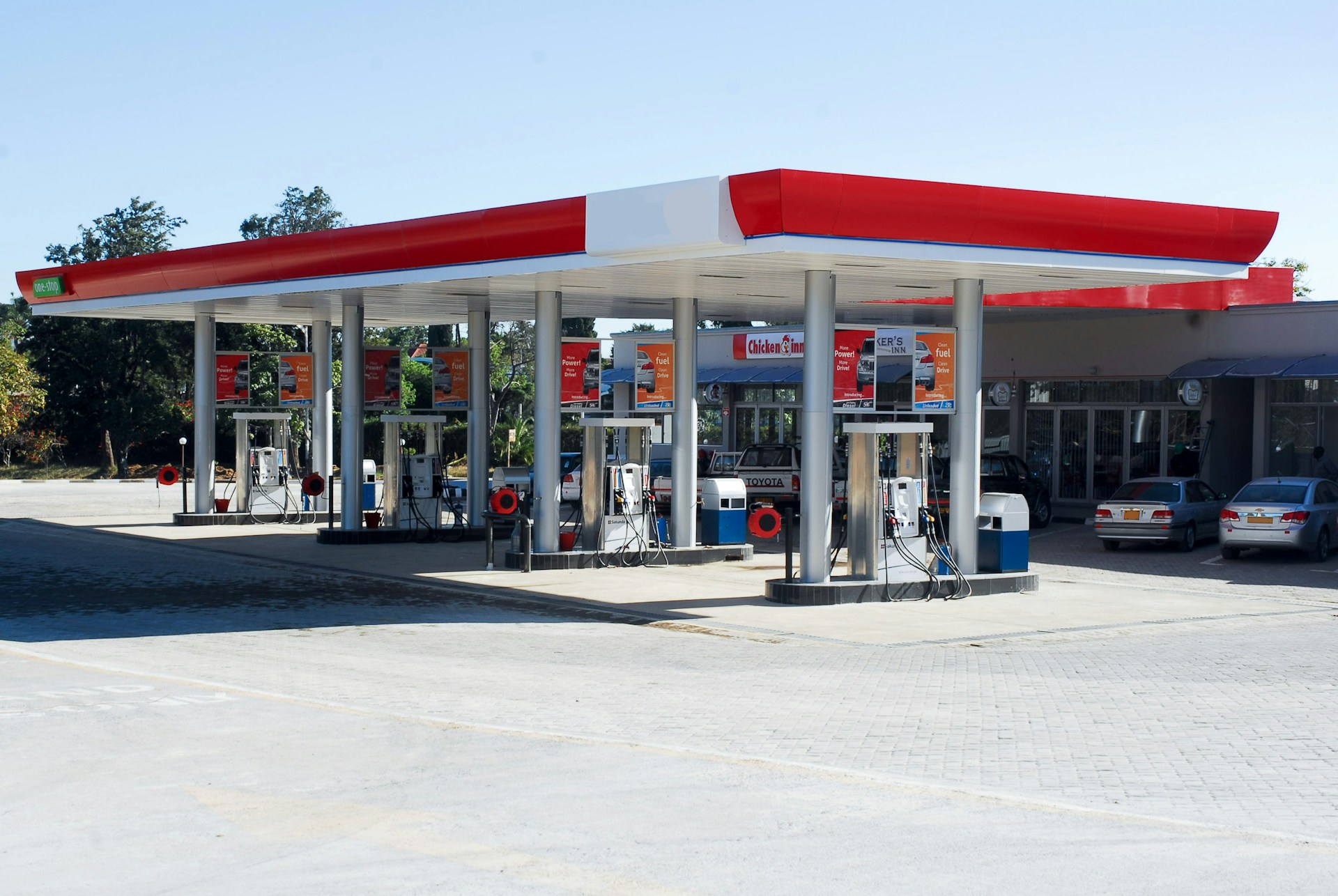
Ethanol is blended into the fuel supply to reduce transportation emissions. Blending rates and adoption continue to increase across the world.
Low-carbon marine shipping fuel
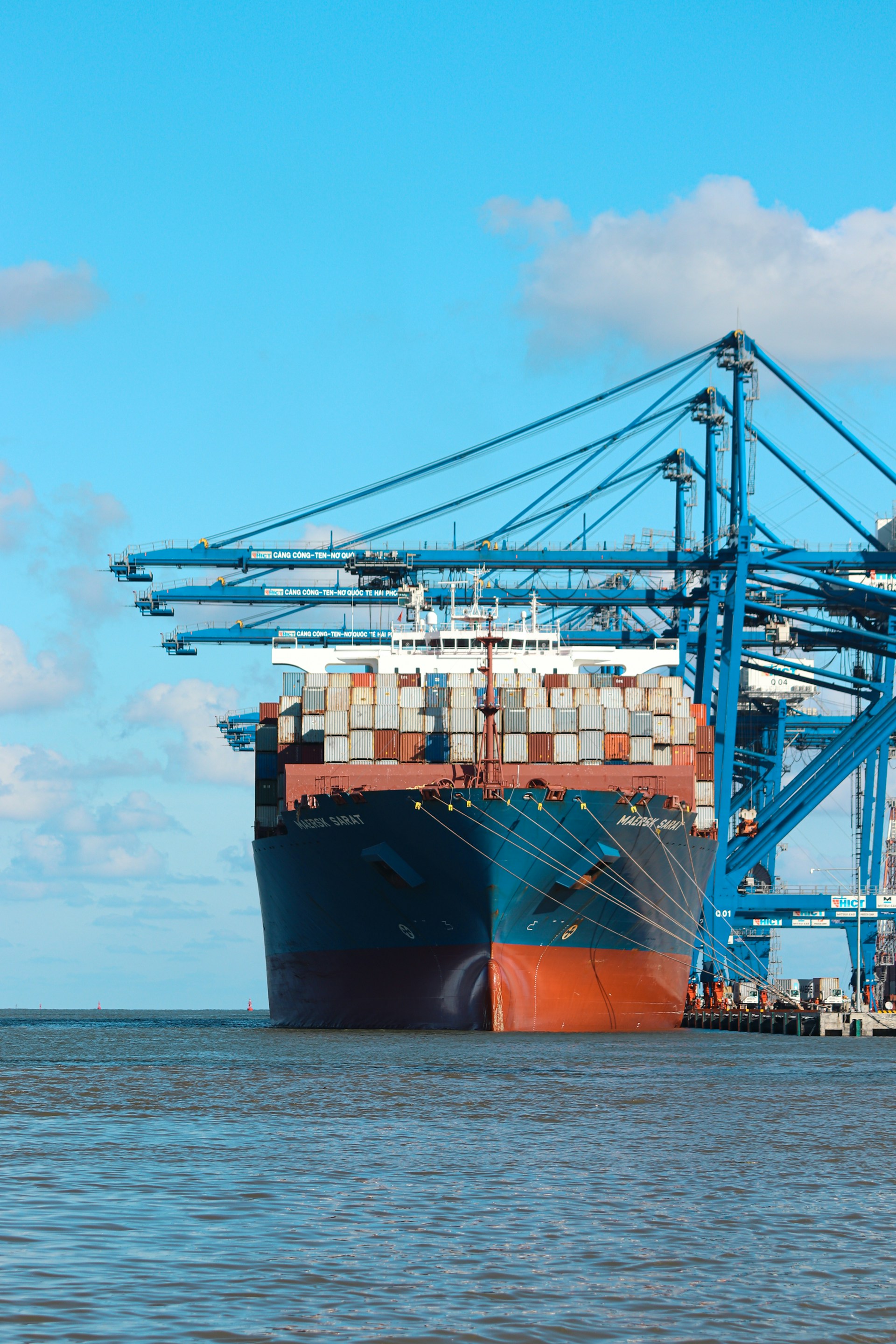
Marine fuel is a new multibillion opportunity as the international shipping industry is looking at ethanol as a viable drop-in and low-carbon fuel due to its cost and availability.
SAF production
The alcohol to jet (A2J) process is another multibillion opportunity for ethanol as it is an approved pathway for producing sustainable aviation fuel (SAF).

Low-carbon chemical feedstock
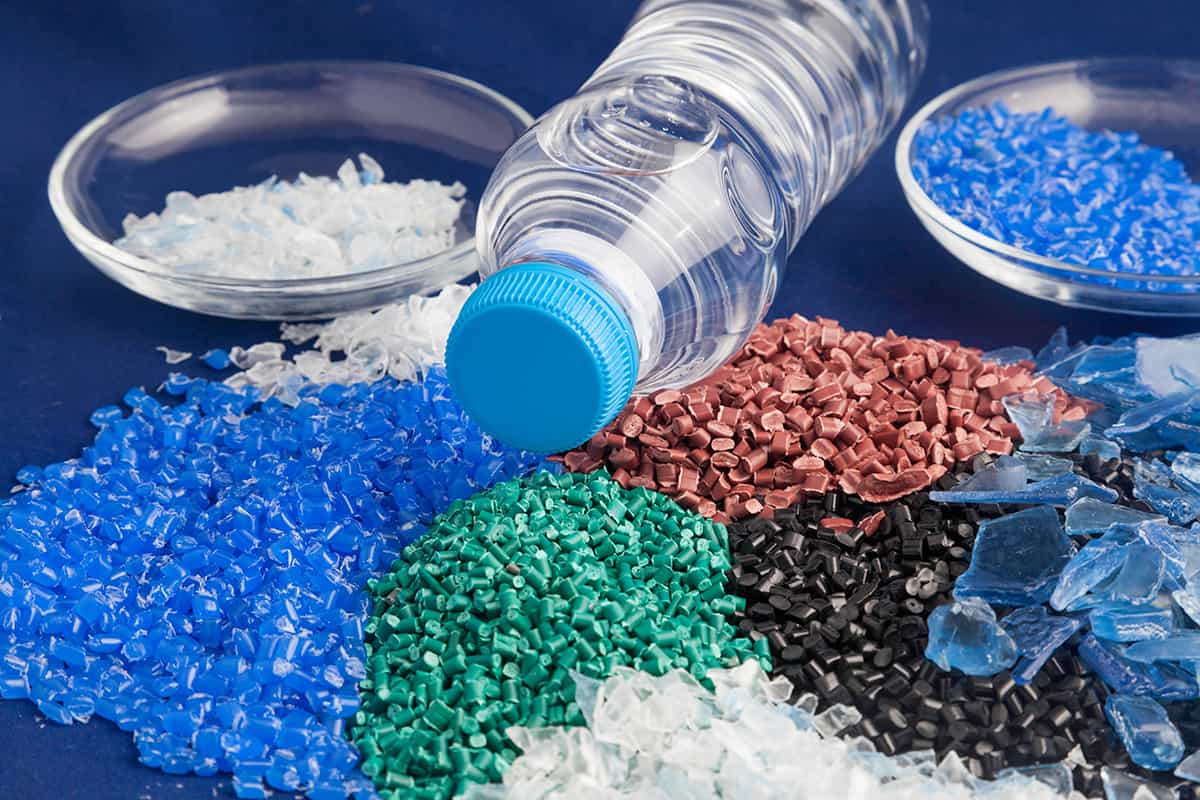
With >90% of chemicals made from fossil resources, chemical manufacturers are increasingly looking at using ethanol as a viable feedstock.
Why ethanol?
The global ethanol market is estimated to be $70B per year and growing. Ethanol is a useful molecule with large and diverse use cases with new and emerging applications.
Chemical manufacturing
In the chemical sector, ethanol is used in a variety of products including cosmetics, pharmaceuticals, inks and print packaging.
Food and beverage industry
Ethanol is the key ingredient in alcoholic beverages.
Road transportation fuel
Ethanol is blended into the fuel supply to reduce transportation emissions. Blending rates and adoption continue to increase across the world.
Low-carbon marine shipping fuel
Marine fuel is a new multibillion opportunity as the international shipping industry is looking at ethanol as a viable drop-in and low-carbon fuel due to its cost and availability.
SAF production
The alcohol to jet (A2J) process is another multibillion opportunity for ethanol as it is an approved pathway for producing sustainable aviation fuel (SAF).
Low-carbon chemical feedstock
With >90% of chemicals made from fossil resources, chemical manufacturers are increasingly looking at using ethanol as a viable feedstock.
E-ethanol stands out in a crowded e-fuels space
E-fuels and chemicals made from CO2 are drop-in products that can be used with existing infrastructure, equipment (ex. engines), or chemical manufacturing processes. There islimited competition in e-ethanol with competitors focused on other products.
E-fuel category
e-methane
~18 competitors
E-fuel category
e-methanol
~15 competitors
E-fuel category
e-SAF
~22 competitors
E-fuel category
e-ethanol
1 player (Phase)
E-ethanol stands out in a crowded e-fuels space
E-fuels and chemicals made from CO2 are drop-in products that can be used with existing infrastructure, equipment (ex. engines), or chemical manufacturing processes. There islimited competition in e-ethanol with competitors focused on other products.
E-fuel category
e-methane
~18 competitors
E-fuel category
e-methanol
~15 competitors
E-fuel category
e-SAF
~22 competitors
E-fuel category
e-ethanol
1 player (Phase)
Meet the Phase team
Meet the Phase team
We are passionate about using biology and bioprocesses to address some of the world’s biggest challenges.
We are passionate about using biology and bioprocesses to address some of the world’s biggest challenges.




Join our team
Our team is building at the frontier of industrial biotechnology, pioneering new metabolic pathways for the next generation of carbon capture.

Companies House Registration No. 12602104 (UK)
Copyright © 2026 Phase Biolabs. All Rights Reserved
Join our team
Our team is building at the frontier of industrial biotechnology, pioneering new metabolic pathways for the next generation of carbon capture.
Companies House Registration No. 12602104 (UK)
Copyright © 2026 Phase Biolabs. All Rights Reserved
Join our team
Our team is building at the frontier of industrial biotechnology, pioneering new metabolic pathways for the next generation of carbon capture.
Companies House Registration No. 12602104 (UK)
Copyright © 2026 Phase Biolabs. All Rights Reserved